Start a Pet Waste Removal Business: 2026 Playbook
The pet waste removal business is one of the lowest-overhead, highest-retention services you can launch in 2026. Dogs produce waste every day, clients hate the chore, and once you earn a route, customers rarely cancel. If you want a recurring-revenue service you can start from a car trunk, this playbook covers the gear, pricing, and operations that turn a scoop into a scalable company.
We will walk through startup equipment, a realistic pricing model, a route-efficiency system, and the hygiene and liability basics that protect your reputation. This is the practical, field-tested version, not a motivational pep talk.
Why this service works in 2026
Pet ownership keeps climbing, yards keep needing attention, and time keeps getting scarcer. That combination creates steady demand for a reliable scooping service. Because the work is weekly and essential, churn is low, so every client you sign compounds into predictable monthly income.
Startup costs are modest. You need durable tools, strong bags, a sanitation routine, and a way to book clients. Unlike most businesses, you can test the model in your own neighborhood before investing a dollar in marketing.
The equipment that pays for itself
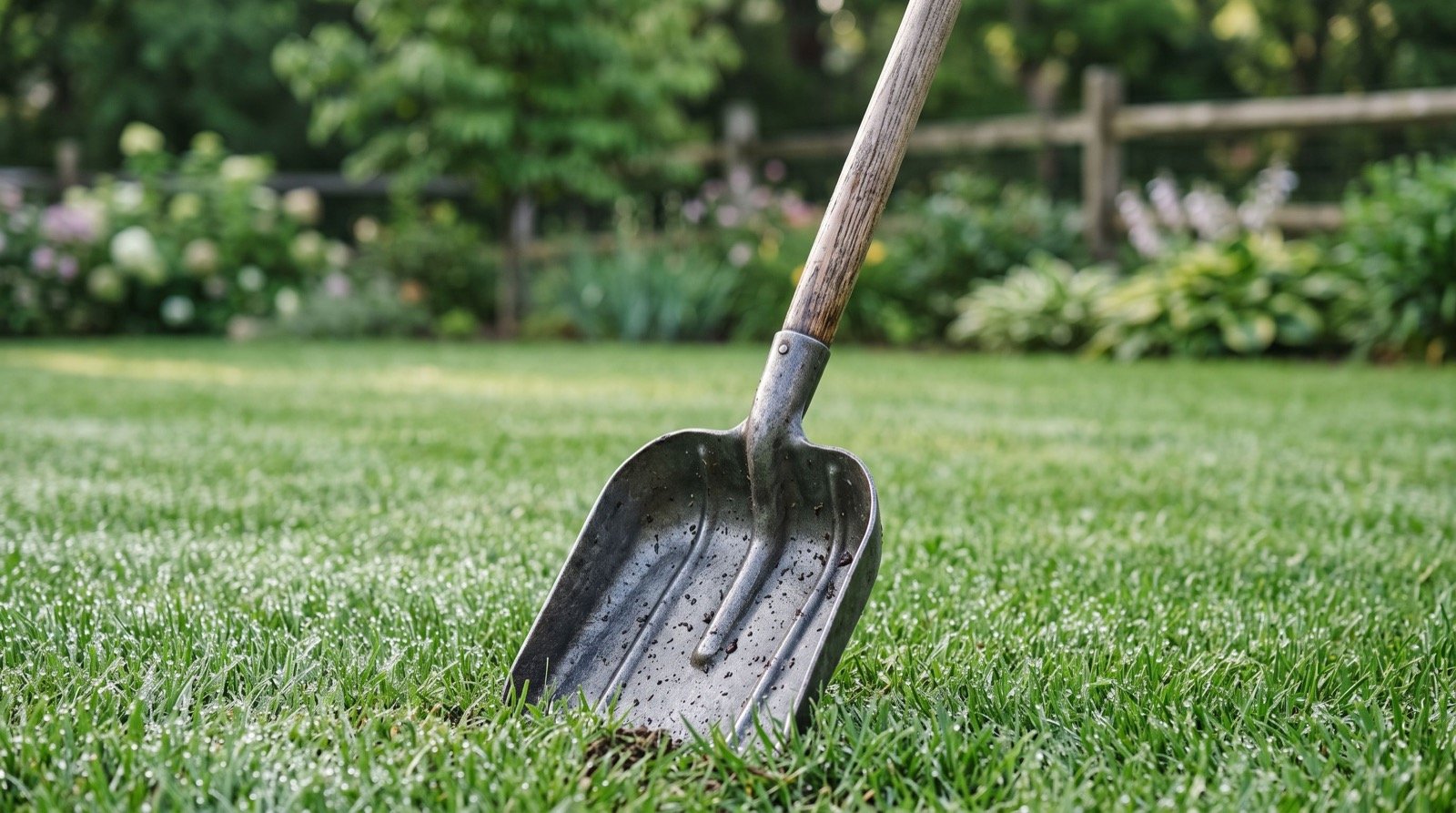
Professional work demands professional gear. Consumer-grade tools break under daily, all-weather use. Starting your Pooper scooper company with commercial-grade, long-handled metal tools means fewer breakdowns, faster yards, and a healthier back across a full route day.
What gear do you actually need to start?
Keep the kit lean but durable. These items cover the vast majority of residential jobs.
- Two heavy duty metal scoopers: one primary, one backup, so a break never stops the route.
- A large supply of strong bags: volume adds up fast across multiple yards.
- Sealable transport bins: to carry waste between stops without odor.
- Disinfectant and a boot-dip: to avoid carrying parasites between client yards.
- Gloves and hand sanitizer: non-negotiable for hygiene and client trust.
Buy bags in bulk, because running short mid-route costs you time and professionalism. A reliable source of heavy duty bags keeps your per-job cost predictable and your trunk always stocked.
A simple pricing model
| Service | Dogs | Frequency | Typical 2026 rate |
|---|---|---|---|
| Standard weekly | 1 dog | Once a week | $15–$20 / visit |
| Standard weekly | 2–3 dogs | Once a week | $20–$30 / visit |
| Twice weekly | 2+ dogs | Two visits | $30–$45 / week |
| One-time cleanup | Any | Single visit | $75–$150 |
Price for density, not just time. Ten clients on one street are far more profitable than ten scattered across a county, because drive time is your real cost.
Running an efficient route
Profit lives in logistics. Follow this sequence to keep each day tight.
- Cluster clients by neighborhood and schedule them on the same day.
- Restock bags and empty bins before you leave each morning.
- Disinfect tools and boots between yards to prevent cross-contamination.
- Photograph completed yards to confirm service and build client trust.
- Dispose of collected waste at an approved site, never a client’s bin without consent.
Cross-contamination is a real liability. The CDC healthy pets program notes that dog feces can transmit parasites between animals, so a boot-dip and tool disinfection routine protects your clients’ pets and your reputation at once.
Building trust and reputation
This is a trust business; you have keys to a client’s gate and access to their yard. Show up on the same day every week, communicate about weather delays, and leave every yard visibly clean. Word of mouth in a neighborhood is your cheapest and best marketing channel.
Position yourself the way homeowners describe the contractors they rave about, as trusted professionals who do consistent, reliable work. That reputation, more than any ad, is what fills your route and keeps it full.
Scaling from solo to a small crew
Many operators plateau because they trade every dollar for an hour of their own labor. The path past that ceiling is systemizing the work so someone else can run a route to your standard. Document your process, from boot-dip to before-and-after photos, and the business becomes trainable.
Your first hire should shadow you for a week, learning the sanitation routine and client-communication style that earned those reviews. Once they can run a route unsupervised, you buy a second full gear kit and split the territory. Two clean routes beat one rushed one.
Seasonal realities to plan around
Demand is not perfectly flat. Spring brings the thaw rush, when clients need a big one-time cleanup of a winter’s backlog, which is premium-priced work. Summer heat intensifies odor, so twice-weekly upsells sell themselves. Winter slows new signups but rewards operators who show up reliably through snow, cementing loyalty for the busy months ahead.
Build a cash cushion for the slower weeks and lean into the thaw season with a one-time cleanup promotion. Clients who try you for a spring blitz often convert to weekly service once they see a spotless yard.
Protecting yourself and your clients
Liability insurance is cheap relative to the risk of a damaged fence, an escaped dog, or a slip on an icy walk. Carry a general policy, confirm gates are latched before and after every visit, and never leave a yard without a quick safety check. Professionalism here is what separates a durable business from a weekend experiment.
Frequently Asked Questions
How much can a pet waste removal business earn?
A dense route of 40 weekly clients at $18 each grosses over $2,800 a month on part-time hours. Earnings scale with client density and the number of weekly visits you run.
Do I need a license to scoop professionally?
Requirements vary by locality. Most areas need only a basic business license and liability insurance, but check your city and county rules on waste transport and disposal before you start.
How do I avoid spreading parasites between yards?
Disinfect your scoopers and dip or spray your boots between every client. Dedicated gloves and a tool-sanitizing routine prevent carrying parasite eggs from one yard to the next.
What is the best way to find first clients?
Start in your own neighborhood with flyers and a simple booking link. Offer a discounted first cleanup, then rely on consistent service and referrals to grow the route organically.
The bottom line
A pet waste removal business rewards reliability, durable gear, and smart routing with steady, recurring income and remarkably low overhead. Invest in commercial-grade tools, stock strong bags, run a tight sanitation routine, and treat every client like your only one. Map your first neighborhood route this week and turn a universal chore into your own recurring revenue. The owners who thrive are not the ones with the flashiest trucks; they are the ones who show up on the same day, every week, rain or shine, and let a spotless yard do the selling.